
Soil Stabilization in Wilmington, NC
Making Our Clients Satisfied!
- Free Estimates
- Financing Available
- Special Discounts
What Your Neighbors Are Saying About Us
GET IN TOUCH
Soil Stabilization in Wilmington, NC
At Wilmington Foundation Repair, we specialize in Soil Stabilization in Wilmington, NC, providing effective solutions to improve the load-bearing capacity of the soil beneath your foundation. Soil instability is one of the most common causes of foundation problems, such as cracks, shifting, and settling. Soil stabilization is the process of treating and reinforcing soil to ensure it can support structures effectively. Our team uses advanced techniques to stabilize soil and prevent future issues that could threaten the integrity of your property.
If you’re searching for Soil Stabilization near me, Wilmington Foundation Repair is your trusted local expert. We offer efficient, long-lasting solutions to address soil issues and restore the stability of your foundation.
Our Services
- Concrete Slab Foundation Repair
- Pier and Beam or Block and Base Foundation Repair
- Basement Wall Repair
- Basement Waterproofing
- Cracked Wall / Structural Repair
- Drainage Services and Repair
- House Leveling
- Mudjacking / Slabjacking
- Retaining Wall Repair
- Sinkhole Remediation
- Polyurethane Foam Injection
- Commercial Foundation Repair
- Mobile Homes
- Soil Stabilization
- Compaction Grouting
- Pool Stabilization
- Void Filling
- Pressed Steel Pilings
- Steel Push Pier Installation
- Slab Pier Installation
- Helical Pier Installation
- Pre-Construction Pier Installation
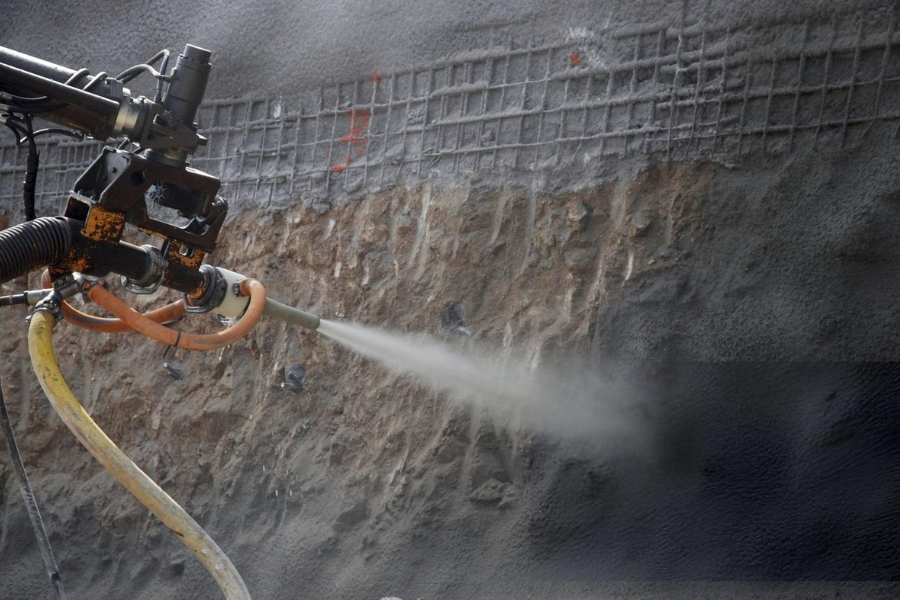
How Soil Stabilization Works
Soil Stabilization involves the process of altering or reinforcing soil to make it more stable and supportive. It is typically used in construction to ensure that the soil beneath a building or structure can handle the weight and prevent movement over time. Our soil stabilization process generally follows these steps:
- Initial Inspection and Assessment
- We begin by conducting a thorough inspection of your property, focusing on the soil and foundation. Our experts assess the extent of soil instability, whether it’s due to excessive moisture, erosion, or poor soil compaction.
- We determine the best method for stabilizing the soil based on the soil type and the foundation’s needs.
- Choosing the Right Stabilization Method
Based on our inspection, we select the most effective soil stabilization technique. Common methods include:- Chemical Soil Stabilization: Applying chemical additives such as lime, cement, or polymers to bind the soil particles together, increasing its strength and reducing moisture sensitivity.
- Mechanical Stabilization: Compacting the soil using heavy equipment to increase its density and reduce air gaps, providing better support.
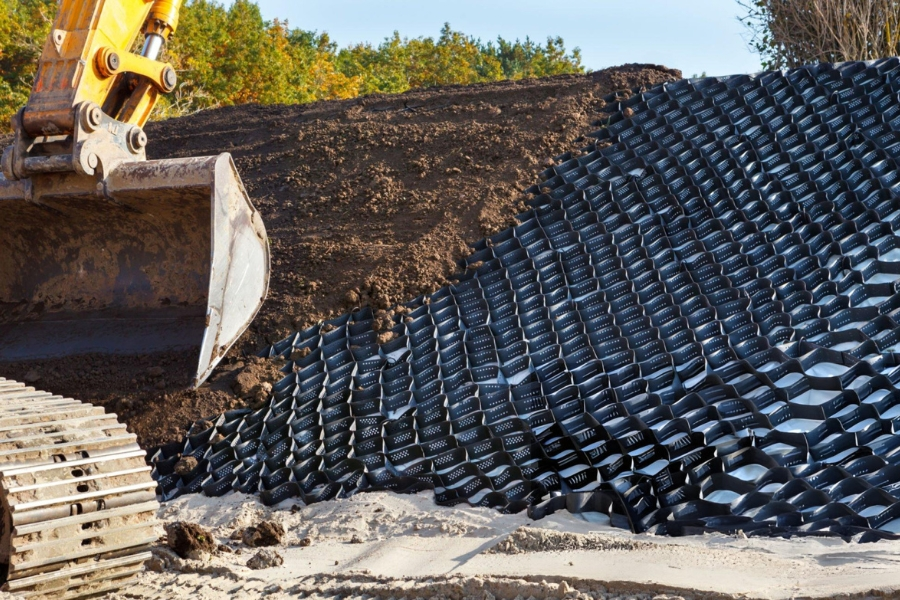
- Geogrid Stabilization: Installing geogrid materials in the soil to provide additional reinforcement and support for the foundation.
- Soil Treatment and Application
- Once the stabilization method is selected, we proceed with the treatment. For chemical stabilization, we mix the soil with the chosen additives, ensuring an even distribution throughout the soil layers. For mechanical methods, we compact the soil to increase its density and stability.
- Testing and Verification
- After treatment, we conduct tests to ensure the soil has reached the desired stability. These tests can include soil density measurements and compaction tests to verify that the treated soil will effectively support the foundation.
- Final Inspection and Recommendations
- After completing the stabilization process, we conduct a final inspection to ensure that the soil is stabilized and able to support the foundation. We also provide recommendations for ongoing maintenance to ensure the soil remains stable in the future.
With Soil Stabilization in Wilmington, NC, we provide long-lasting solutions to prevent foundation damage caused by soil instability and ensure that your property remains stable.
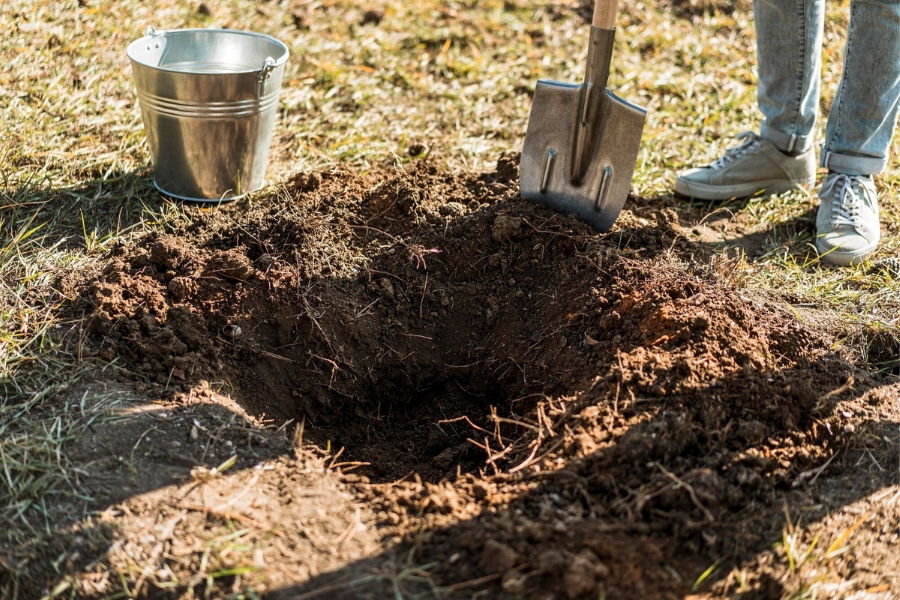
Signs You Need Soil Stabilization
If you notice any of the following signs, your property may be experiencing soil instability that requires Soil Stabilization:
- Cracked Walls or Floors
- Cracks in walls, ceilings, or floors are common signs of a shifting or settling foundation. Soil instability can cause your foundation to move, leading to these types of cracks.
- Uneven or Sloping Floors
- If your floors feel uneven or are sloping in certain areas, this could be a sign that the soil beneath the foundation has shifted or compacted unevenly.
- Doors or Windows That Stick
- When a foundation shifts due to soil instability, it can cause doors and windows to become misaligned, making them difficult to open or close.
- Sinking or Settling Foundation
- If the foundation appears to be sinking or settling unevenly, it is likely that the underlying soil is not providing sufficient support.
- Water Pooling Around the Foundation
- Excess water around the foundation, especially if it accumulates near certain areas, can signal soil instability that is leading to erosion or soil movement.
If you notice any of these signs, it’s important to address the issue immediately with Soil Stabilization to prevent further damage to your property.
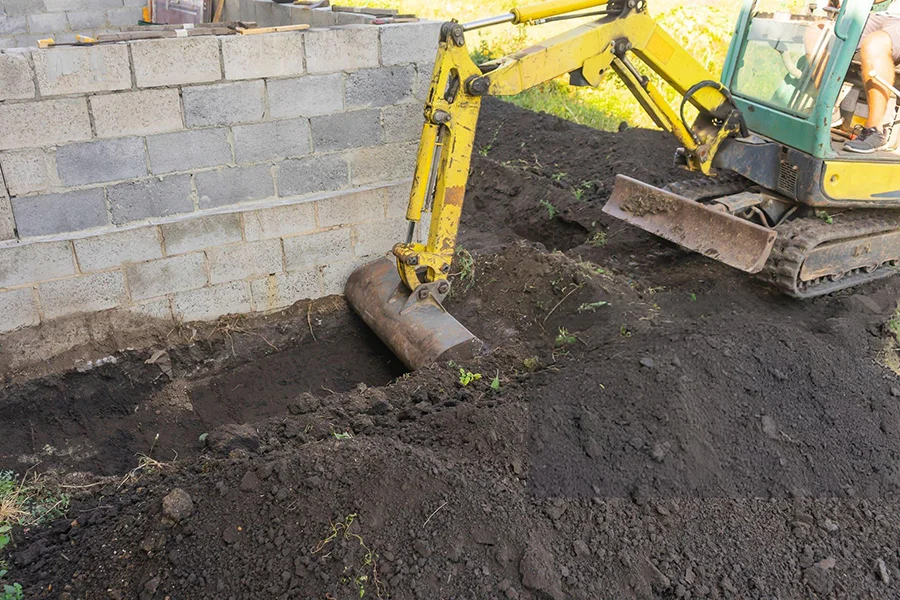
What to Expect During Soil Stabilization
When you choose Wilmington Foundation Repair for Soil Stabilization in Wilmington, NC, here’s what you can expect during the process:
Step 1: Free Consultation and Inspection
Our team will begin with a free, detailed consultation to assess the condition of the soil and foundation. We will examine any signs of instability and provide a thorough analysis of your property.
Step 2: Stabilization Plan Development
Based on the inspection results, we’ll recommend the best stabilization methods for your property. We will explain the process, timeline, and cost, ensuring that you’re informed every step of the way.
Step 3: Soil Treatment and Application
Once we’ve developed the plan, we begin the soil treatment process. This may involve mixing chemicals with the soil, compacting the soil with heavy equipment, or installing geogrid materials for additional support.
Step 4: Testing and Verification
After the stabilization process is complete, we conduct tests to verify that the soil has achieved the necessary level of stability to support the foundation.
Step 5: Final Inspection and Recommendations
Once the soil stabilization is complete, we conduct a final inspection to ensure the stability of the soil and provide recommendations for any necessary follow-up maintenance.
Why Choose Wilmington Foundation Repair for Soil Stabilization?
Wilmington Foundation Repair is your trusted provider for Soil Stabilization in Wilmington, NC. Here’s why customers choose us:
- Experienced Team: Our team has years of experience in stabilizing soil and repairing foundations.
- Customized Solutions: We tailor our stabilization methods to meet the specific needs of your property.
- Affordable Pricing: We offer competitive pricing and financing options to make soil stabilization accessible.
- Quality Materials: We use the best materials and techniques to ensure a stable foundation for your property.
- Customer Satisfaction: We prioritize customer satisfaction, providing reliable, high-quality service on every project.
FAQs About Soil Stabilization
Q: How do I know if my property needs soil stabilization?
A: Signs of soil instability include cracked foundations, uneven floors, and shifting or settling walls.
Q: How long does soil stabilization take?
A: The duration of the process depends on the size of the property and the extent of the soil issues, but it is typically completed in a few days.
Q: Is soil stabilization a permanent solution?
A: Yes, soil stabilization is a long-lasting solution that can prevent future foundation issues caused by unstable soil.
Looking For Soil Stabilization Near Me?
If you’re searching for Soil Stabilization near me, Wilmington Foundation Repair is your trusted local expert in Wilmington, NC. Our team provides effective, affordable, and long-lasting soil stabilization solutions for your property.
Call us today at 910-248-9004 for a free estimate and let us help stabilize your soil to prevent foundation issues.